

No products in the cart.
- Home
- Blog
- Maintenance
- Do Saltwater Swimming Pools Contain Chlorine?
Do Saltwater Swimming Pools Contain Chlorine?
Saltwater swimming pools still use chlorine, but a salt chlorinator produces it from dissolved salt, making maintenance more convenient while still requiring regular testing, water balancing, and equipment care.
Understanding How the System Works Before You Choose
Many people believe that a saltwater swimming pool is chlorine-free. In fact, saltwater swimming pools still use chlorine to disinfect the water, just like swimming pools treated with conventional chlorine products. The difference lies in how the chlorine is produced and added to the water.
Instead of relying primarily on chlorine added from an external source, a saltwater swimming pool uses a salt chlorinator to produce chlorine from dissolved salt. This can make maintenance more convenient, but regular water testing and system care are still essential.
How Does a Saltwater Swimming Pool Work?
Saltwater swimming pools use sodium chloride (NaCl) dissolved in the water at the concentration specified by the equipment manufacturer. As water passes through the chlorine-generating cell, or salt cell, the system uses an electrical current to produce a chlorine-based disinfectant through a process called electrolysis.
The chlorine produced disinfects the water and helps control algae growth. The term “saltwater swimming pool” therefore describes a swimming pool that uses salt as the raw material for chlorine production. It does not mean the swimming pool is chlorine-free. The process can be explained simply as follows:
Dissolved salt → Salt cell → Chlorine to disinfect swimming pool water
How Is a Saltwater Pool Different from a Conventional Chlorine Pool?
Both systems use chlorine to maintain water quality, but they deliver chlorine to the swimming pool in different ways.
| Feature | Conventional Chlorine Swimming Pool | Saltwater Swimming Pool |
|---|---|---|
| Chlorine source | Chlorine added from an external source | Chlorine generated from dissolved salt |
| Delivery method | Manual dosing or chemical dosing equipment | Production through the salt cell while the system operates |
| Output adjustment | Adjust the quantity or dosing rate | Adjust production settings and operating time |
| Additional maintenance | Manage chemical storage and dosing | Check salt levels and maintain the salt cell |
| Water testing | Regular testing required | Regular testing required |
A key benefit of a salt chlorinator is that it reduces the need for routine manual chlorine dosing. However, its chlorine output must meet the swimming pool’s demand, which can change with swimmer numbers, sunlight, weather conditions and contaminants in the water. In some situations, a saltwater swimming pool may still require chlorine from an external source to maintain an appropriate disinfectant level.
Why Might a Saltwater Pool Have Less Odour?
The strong odour often described as a “chlorine smell” is commonly associated with chloramines. These form when chlorine reacts with contaminants introduced by swimmers, including sweat and nitrogen-containing compounds. A strong smell does not necessarily indicate a high free chlorine level. Equally, the absence of a smell does not mean there is no chlorine in the water.
A properly maintained saltwater swimming pool may have less of this odour, but salt alone does not guarantee that result. Both types of swimming pool can maintain good water quality with appropriate circulation, filtration, disinfection and water balance, along with adequate ventilation for indoor swimming pools.
Is a Saltwater Swimming Pool the Better Choice?
The choice should depend on which system best suits the swimming pool’s use and maintenance requirements, as each system has its own advantages and maintenance needs. A salt chlorinator is an option for swimming pool owners who want to reduce manual chlorine dosing and adjust disinfectant production to suit usage. The equipment should have sufficient output for the swimming pool’s water volume and chlorine demand.
Installation costs, replacement salt cell costs, and the compatibility of materials and equipment with saltwater should also be considered when choosing a system for long-term use.
What Still Needs Maintenance with a Salt Chlorinator?
A chlorine generator can make maintenance more convenient, but it does not make a swimming pool maintenance-free. Swimming pool owners or maintenance professionals should regularly check the following:
- Salt level: Keep it within the range specified by the equipment manufacturer.
- Free chlorine: Check that sufficient disinfectant is available for the swimming pool’s use.
- pH and water balance: Maintain appropriate levels.
- Salt cell condition: Check for scale deposits and clean when necessary, following the manufacturer’s instructions.
- Chlorine output: Adjust production for the season, swimmer numbers and water conditions.
- Circulation and filtration: Keep both systems operating efficiently.
The salt cell should be cleaned according to the manufacturer’s guidance. Using unsuitable chemicals or cleaning more often than necessary may shorten the cell’s service life.
Why Does pH Matter in a Saltwater Pool?
During salt chlorinator operation, water pH may tend to rise because of the processes and conditions within the system, so regular testing and adjustment are necessary. pH affects chlorine performance, swimmer comfort and the likelihood of scale forming on equipment, including the salt cell. Simply checking that the chlorinator is operating or producing chlorine is not enough; water balance must also be assessed. Clear water does not always indicate appropriate disinfectant levels or balanced water chemistry. Testing is an essential part of maintaining every swimming pool system.
How Much Salt Does a Saltwater Pool Need?
The required salt concentration depends on the specifications of the individual salt chlorinator, so one target level should not be applied to every system. Some models may specify a salt concentration of approximately 3,500–4,000 ppm, while certain low-salt models can operate at lower concentrations. Before adding salt, check the equipment manual, the swimming pool’s water volume and the existing salt level. Adding more salt does not necessarily improve chlorine production. If the salt concentration exceeds the specified operating range, the equipment may display a warning or activate a protective mode, depending on the model.
For systems marketed as “freshwater,” check the actual disinfection technology and equipment requirements. The name alone does not establish whether the system uses chlorine.
Good Water Quality Starts with System Design
Saltwater swimming pools still use chlorine for disinfection, with a salt chlorinator forming part of the water treatment system. However, water quality does not depend on the chlorine generator alone. It relies on circulation, filtration, disinfection and water balance working together in a system designed for the swimming pool’s size and usage.
POOL&SPA Thailand focuses on selecting and designing swimming pool systems to suit their intended use, supported by ongoing care to keep your swimming pool water clean and ready for every moment of relaxation.
TAG
SHARE
TIPS

How Many Hours a Day Should You Run Your Pool Pump?
How many hours a day should you run your pool pump? The answer depends on water volume, actual flow rate, swimmer numbers and the treatment system. Learn how to calculate turnover time and set an efficient schedule.

How Much Does It Cost to Maintain a Swimming Pool Each Month?
A private swimming pool offers lasting enjoyment, but planning for electricity, water, chemicals, maintenance, and future repairs is essential to managing its true long-term cost.
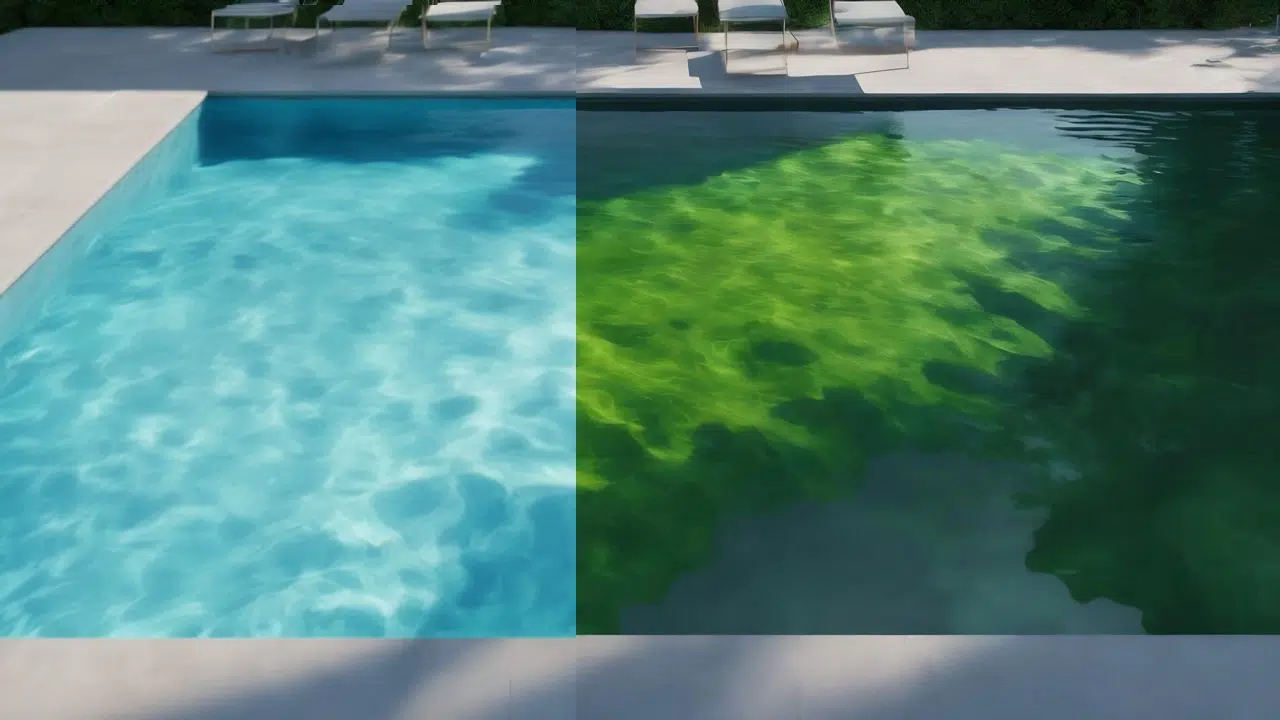
Chlorine Shock Treatment : The secret to crystal-clear pools for modern healthy living
Have you ever experienced these problems? Your pool looks clear, yet swimming causes stinging eyes, a strong chlorine smell, or itchy skin. Many people assume this means “too much chlorine” or blame allergies—but in reality, these are warning signs that your pool urgently needs a chlorine shock treatment to restore truly clean, healthy water.