

No products in the cart.
Understanding the risks and recognizing dangerous behaviors related to heatstroke is one of the most effective ways to safeguard your health during the summer season. As temperatures continue to rise across Thailand—often reaching an average of 37–42°C—heat-related illnesses are becoming increasingly common. In fact, Thailand now ranks among the top 10 hottest countries in the world. One of the most serious threats is heatstroke, a life-threatening condition that deserves attention.
Heatstroke occurs when the body’s temperature rises dramatically—often exceeding 40°C—due to intense physical activity or exposure to extreme heat and humidity. Common causes include exercising, working outdoors, or spending extended time in the sun. If not managed quickly, heatstroke can cause severe damage to vital organs such as the heart, lungs, kidneys, and brain.
This condition can affect anyone but is especially dangerous for working-age adults and the elderly—groups that may have limited ability to avoid extreme heat or may have underlying conditions such as high blood pressure, heart disease, or diabetes that increase their risk.

Swimming in Hot Weather: A Hidden Risk
Swimming is a popular summer activity, offering relief from the heat. However, swimming during extreme heat or at the wrong time of day may unexpectedly trigger heatstroke. That’s why knowing how to swim safely during hot weather is essential to protect yourself and your family from unnecessary health risks.
Tips for Safe Swimming During Summer
- Avoid entering the pool immediately when your body temperature is above 37°C.
- Limit your time in the pool, especially if it’s an outdoor pool around midday.
- Avoid swimming between 11:00 AM and 3:00 PM on extremely hot days.
- Choose indoor or shaded pools where possible.
- Shower before swimming to help your body adjust to the temperature gradually.
Understanding and avoiding high-risk behaviors is key to preventing heatstroke. This summer, it’s more important than ever to stay mindful of your activities and adjust your routine to the climate—especially if you have elderly family members at home. With proper care and caution, you and your loved ones can stay healthy and worry-free all summer long.
TIPS

Single Speed vs Variable Speed Pump: Choosing the Right Swimming Pool Pump
Should your pool run on a single speed pump or a variable speed / inverter pump? This guide breaks down how each type works, why lower speeds can cut energy use, and the key questions to weigh before deciding — with expert guidance from POOL&SPA Thailand.
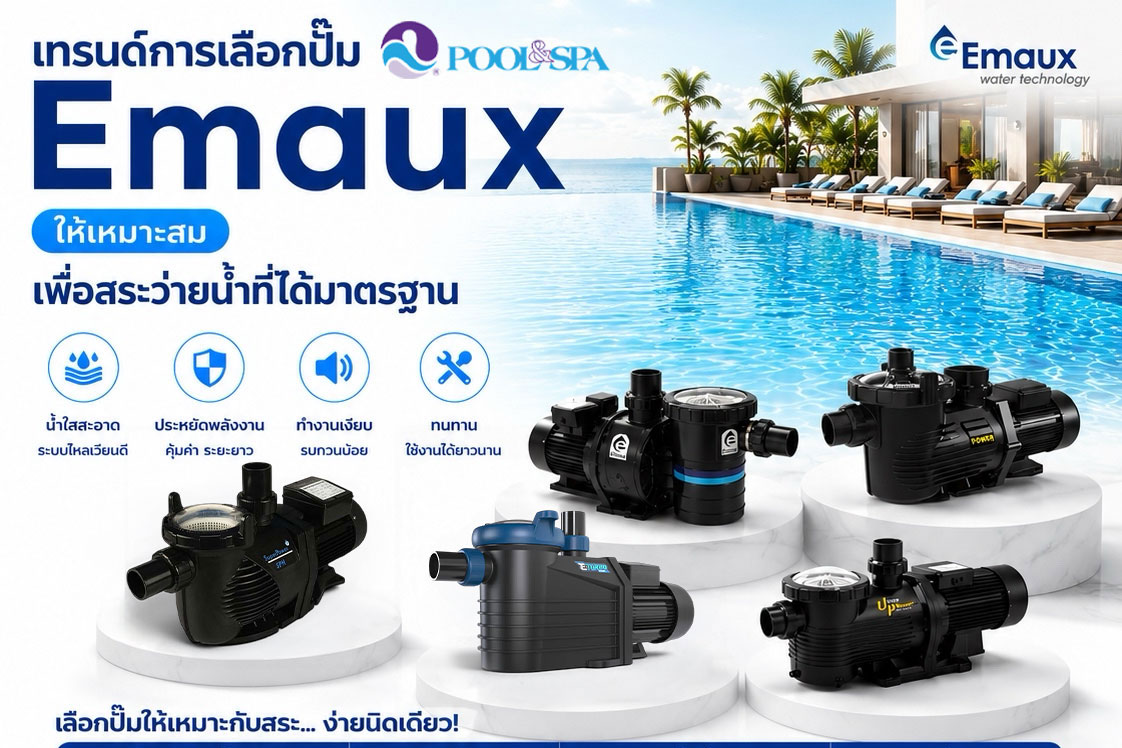
The Definitive Guide To Choosing Your Emaux Pool Pump
Learn how to choose the right Emaux pump for your home, hotel, resort, and commercial pool. In this guide, we’ve compiled a comparison of models, their advantages, applications, and expert advice from POOL&SPA Thailand, all to make your decision easier.

Easy-to-Maintain Pool Design: A Beautiful Pool That Lasts, Stays Clean, and Saves More in the Long Run
Having a private swimming pool at home has become a popular lifestyle choice among modern homeowners, as it provides an additional space for relaxation, promotes good health, and enhances the value of the property. However, what many homeowners often discover after building a pool is the burden of its upkeep—including issues such as green water, algae buildup, the cost of chemicals, and the significant amount of time required for cleaning.