

No products in the cart.
As people place greater importance on health and wellness living, natural ways of caring for the body continue to gain popularity. One approach that is becoming a global trend is the hot-and-cold spa, also known as hydrotherapy.
Alternating between hot and cold water does more than help the body relax. It also supports blood circulation, reduces muscle inflammation, and strengthens the body over time. Today, this technique is used in spas, luxury hotels, resorts, fitness centers, and even private home pools to support holistic wellness.
Today, Hot & Cold Spa is part of the global Wellness Lifestyle and Longevity Health movement. From residential pools to luxury hotels, resorts, and leading spas, more properties are adding features such as:
- Hydrotherapy Pool
- Ice Bath Pool
- Sauna and Steam Room
- Hot Jacuzzi Spa
Combining these facilities allows users to care for their health in a more complete way, while creating a relaxing space that supports both physical and mental well-being.
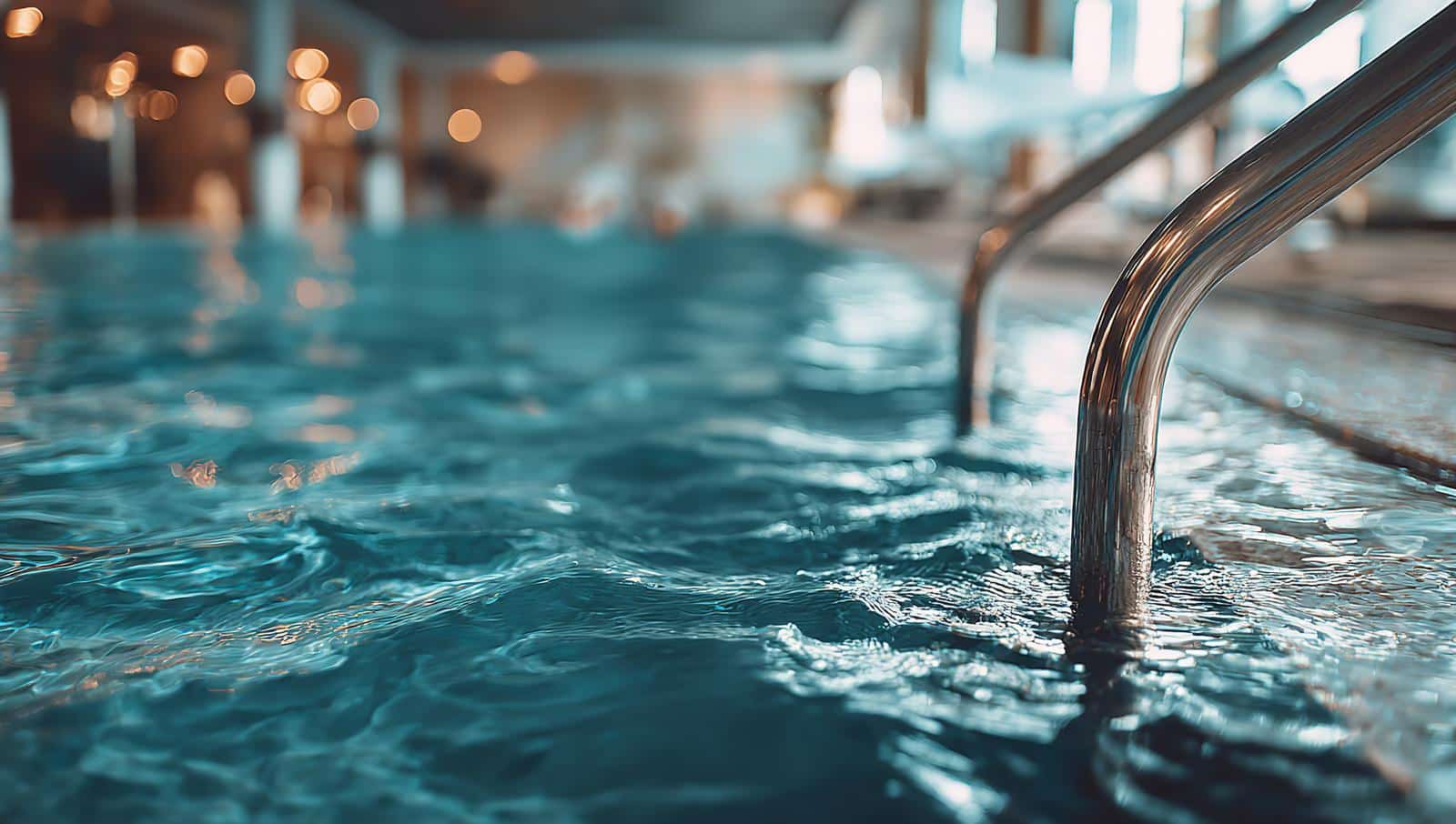
Key Principles of Hot & Cold Spa Design
Creating a Hot & Cold Spa means designing a wellness space based on the principles of hydrotherapy. It uses temperature contrast to stimulate blood circulation, support muscle recovery, and help the body relax.
This type of spa design should consider water temperature control, filtration, safety, and the user experience in order to deliver the best results, starting with:
1. Set the Right Water Temperature
Temperature is at the heart of a Hot & Cold Spa, because it directly affects blood circulation.
Recommended Temperatures
- Hot Spa 38–40°C helps relax muscles and stimulate blood circulation
- Cold Plunge Pool 8–15°C helps reduce muscle inflammation and energize the body
Keeping the temperature stable requires an efficient heater and cooling system.
2. Filtration and Water Circulation
A good spa must have a clean and efficient water filtration system. Main components include:
- Pool Pump
- Filtration system (sand filter or cartridge filter)
- Sanitizing system such as chlorine, ozone, or salt system
- Water circulation system sized to match the pool
Continuous water circulation helps to: keep the water clean, reduce bacteria buildup, maintain water quality for safe and comfortable use
3. Pool Depth Design
Hot & Cold Spas are usually designed in a compact size for ease of use. Popular Sizes:
Hot Spa
- Diameter: 1.8–2.5 meters
- Depth: 0.8–1.0 meters
Cold Plunge Pool
- Size: around 1.2–2 meters
- Depth: 0.9–1.2 meters
The right size helps to: control temperature more easily, use less water and energy, make maintenance easier
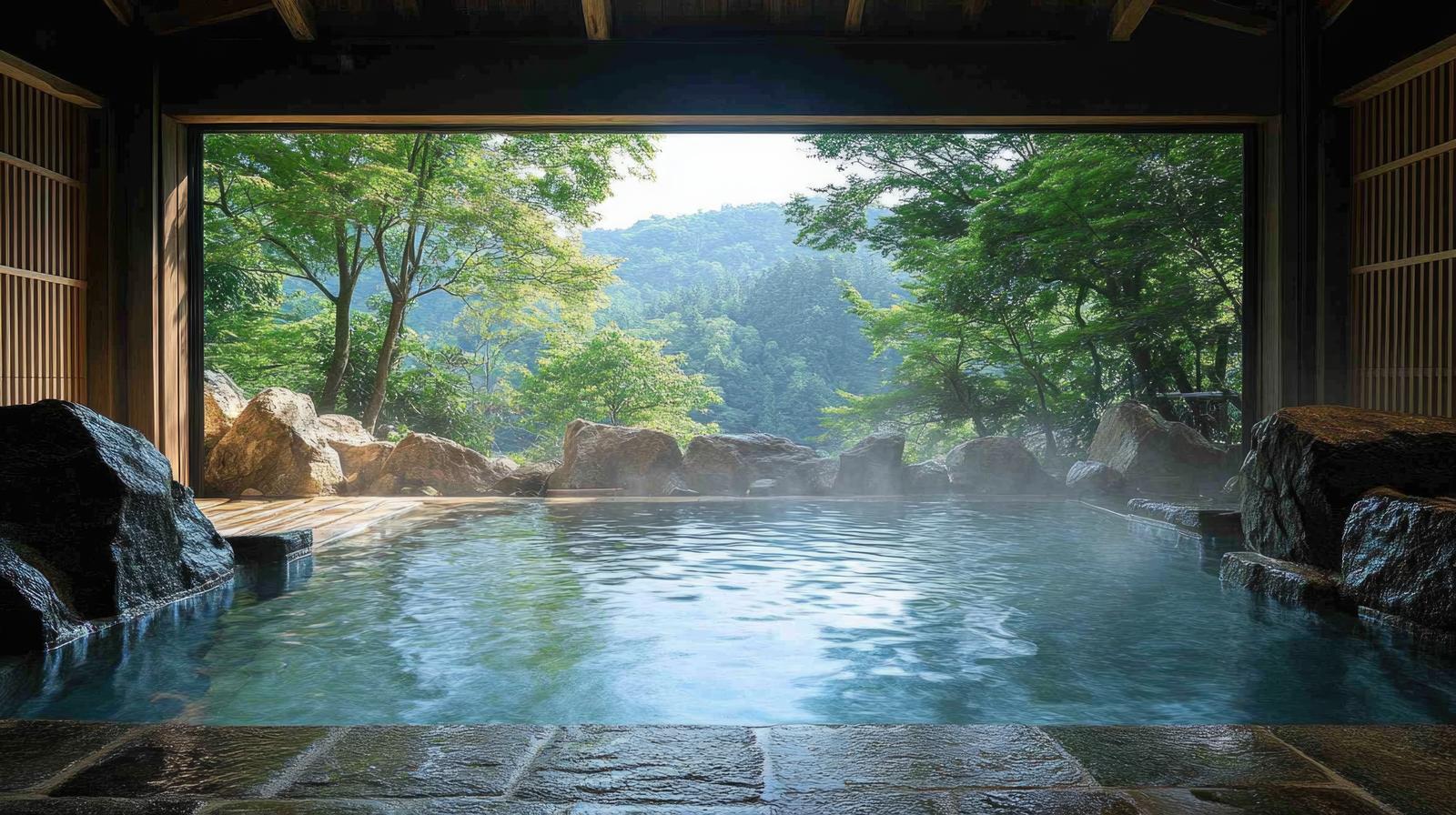
4. Heating and Cooling Systems
For the spa to work efficiently, it needs a reliable temperature control system : Heating system (Pool Heater), Electric Heater, Heat Pump, Gas Heater
Heat Pump is a popular choice because it saves energy and controls temperature well. A cooling system, or chiller, is used for cold pools and can continuously lower the water temperature.
5. Hydrotherapy System Design
Hot spas often include hydrotherapy jets, air jet features, and shower or fountain features to help massage the muscles. Benefits of Hydrotherapy: help relax the muscles, reduce aches and soreness, increase relaxation. Jet heads should be installed at key points such as: back, waist, shoulders, calves.
6. Safety in Use
Spa design must always take user safety into account. Recommended safety features:
- Slip-resistant flooring around the pool
- Handrails for entry and exit
- Safe drainage system
- Automatic temperature control system
These help prevent accidents and improve safety during use.
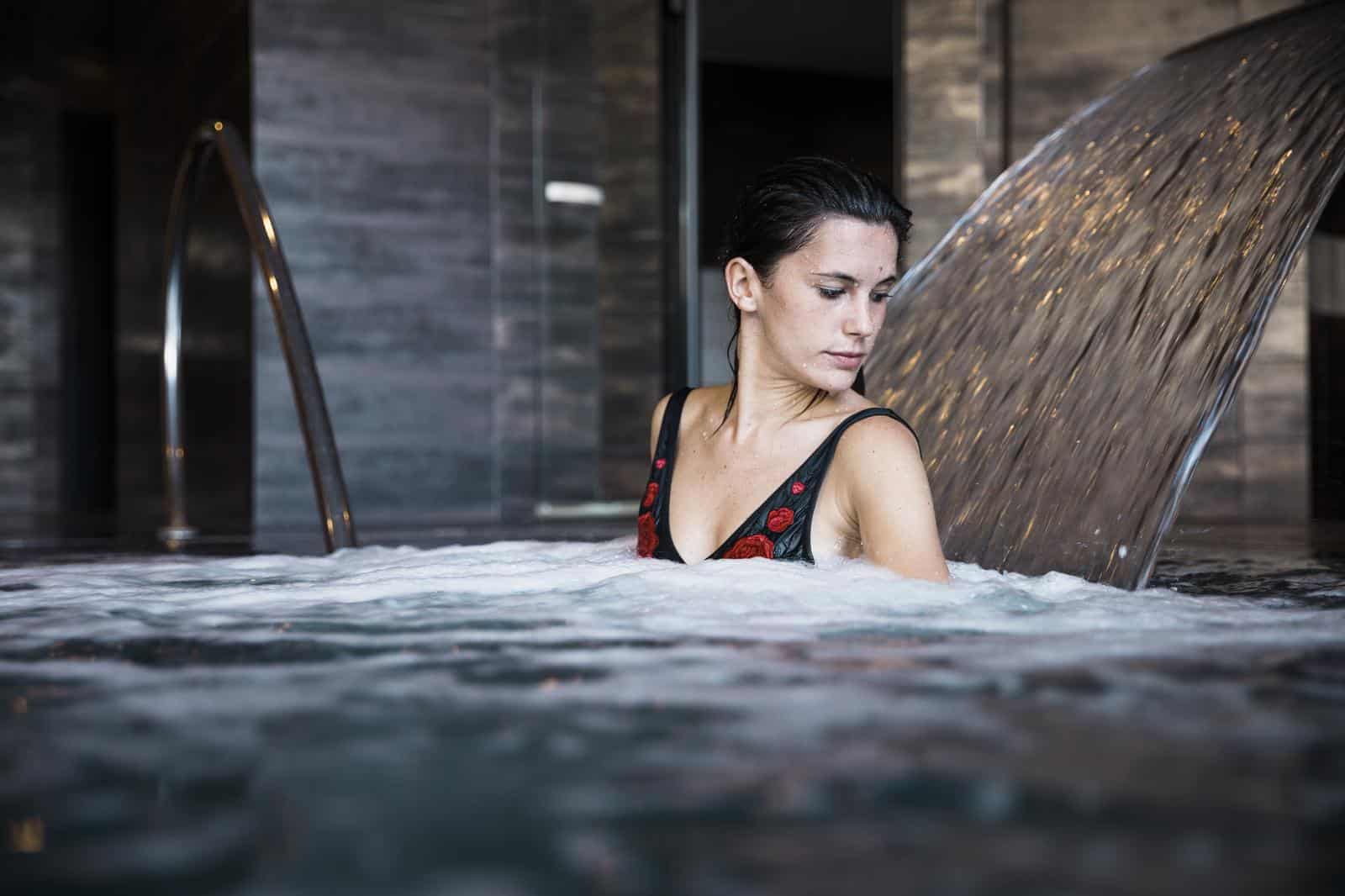
7. Atmosphere and Experience Design
A spa is not only a place to soak, but also a place to relax. The right atmosphere can enhance relaxation, such as: Underwater LED lighting, Waterfall or water feature, Wood decking or natural stone, Landscaping around the pool
Good design creates a resort-style wellness spa experience that supports mental relaxation, invites users to enjoy the atmosphere, and helps reduce built-up stress.
8. Integration with Other Facilities
With greater comfort and a better understanding of wellness design, a Hot & Cold Spa can become the ideal relaxation space, especially when combined with additional facilities such as sauna and steam room. A healthier pool system with reduced chlorine use, such as a freshwater system that uses charged particles to manage impurities and lower chlorine levels, helping deliver better water quality and healthier results over the long term.
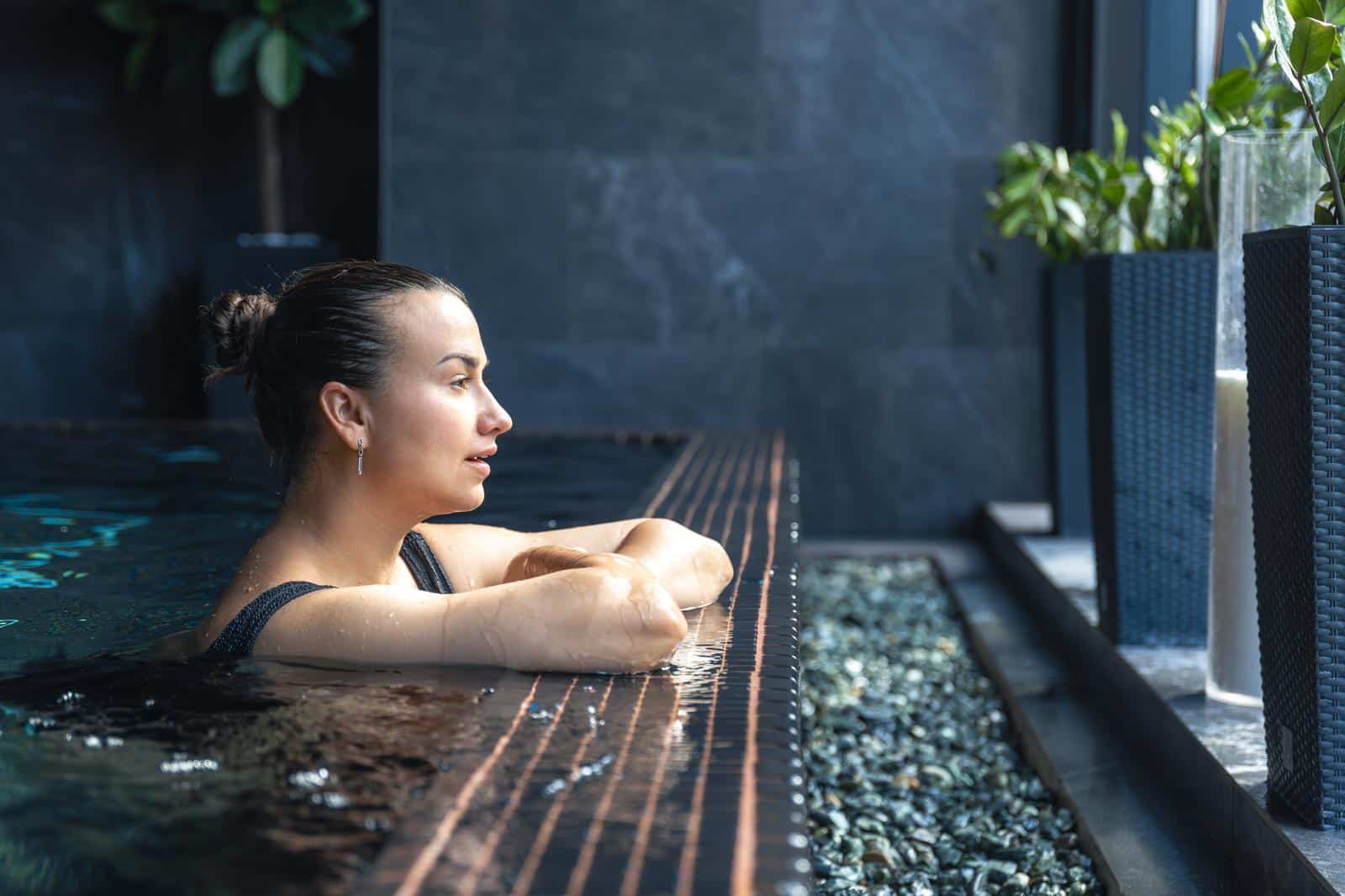
Creating a Hot & Cold Spa as part of a wellness space is an exciting trend for both private homes and hospitality businesses such as hotels, resorts, and spas. As demand for better health and inner-ageing support continues to rise, this has become a valuable investment in personal well-being, with visible results and, in some cases, added environmental benefits when the space is designed with water recirculation systems.
That is why more people are choosing to add this kind of space to their homes. Hot & Cold Spa is also one of the easiest wellness features to start with, offering excellent relaxation even in limited spaces.
If you are planning to build a swimming pool or a Hot & Cold Spa, POOL&SPA Thailand and its experts are ready to support and advise you with more than 50 years of experience.
TIPS

What Size Pool Pump and Filter Do You Need for a 4×8 Meter Swimming Pool?
What size pump and filter does a 4×8 meter swimming pool need? Learn how to calculate pool volume, turnover time, flow rate and TDH so the pump and filter work together efficiently.

A Guide to Budgeting Before Building a Swimming Pool
Building a swimming pool requires more than estimating construction costs, as the design, equipment, water treatment, automation, and long-term maintenance expenses all influence the true budget.

Overflow vs Skimmer
A comparison of overflow and skimmer swimming pools, covering how each works, appearance, construction cost and long-term maintenance, to help you choose the right system for your home from the design stage.